A Flavor-Packed Keto Pad Thai: The Ultimate Low-Carb Thai Noodles
There’s nothing quite like a steaming bowl of Pad Thai, packed with rich, nutty flavors, a perfect balance of sweetness and tang, and that irresistible umami kick. But if you're following a low-carb or keto lifestyle, indulging in traditional Pad Thai can be challenging due to the high carb content of rice noodles and the sugar often found in the sauce. That’s where this Keto Pad Thai comes in—a game-changing, guilt-free version of the beloved Thai classic that delivers all the authentic flavors while keeping the carbs in check.
This recipe transforms the classic dish into a nutrient-rich, protein-packed meal using low-carb noodles while keeping the essential Thai flavors intact. Whether you’re looking for a quick weeknight dinner, a satisfying meal prep option, or a dish to impress guests, this keto-friendly version will have you savoring every bite without any of the carb-heavy ingredients found in traditional recipes.
The Secret to an Authentic Taste Without the Carbs
What makes this Keto Pad Thai truly exceptional is its carefully selected ingredients. Instead of rice noodles, we use low-carb alternatives that perfectly mimic the texture of traditional noodles, soaking up the sauce and enhancing every bite. The sauce is a rich blend of tangy tamarind, creamy peanut butter, umami-packed fish sauce, and a touch of low-carb sweetness, ensuring the bold and vibrant taste you expect from an authentic Pad Thai.
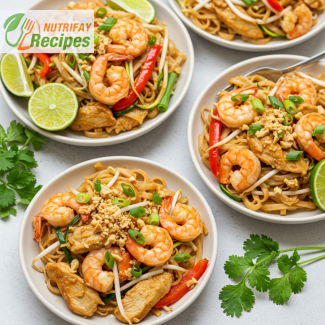
To elevate the dish even further, this recipe features tender, juicy chicken or shrimp, fresh crunchy bean sprouts, and vibrant herbs like cilantro and green onions. Every ingredient plays a crucial role in creating a well-balanced dish with the perfect mix of textures and flavors.
Why You’ll Love This Keto Pad Thai
This recipe isn’t just a low-carb alternative—it’s a must-try for any Pad Thai lover. Here’s why you’ll absolutely love it:
- Authentic Thai Flavors Without the Carbs – You get the same rich, savory, and slightly sweet taste without the sugar or high-carb noodles.
- Quick and Easy to Make – This dish comes together in under 30 minutes, making it perfect for a fast, satisfying meal.
- Perfect for Meal Prep – The flavors develop even more over time, making it a great dish to prepare ahead of time for lunches or dinners throughout the week.
- Customizable with Your Favorite Protein – Choose chicken, shrimp, tofu, or beef to make it your own.
- Nutrient-Dense and Keto-Friendly – Packed with healthy fats, protein, and essential nutrients, this dish supports your low-carb lifestyle while keeping you full and satisfied.
The Ultimate Comfort Food Without the Guilt
There’s nothing better than indulging in a comforting, flavorful bowl of Pad Thai that not only satisfies your cravings but also fits your low-carb goals. Whether you’re new to keto or a seasoned pro, this dish proves that you don’t have to give up your favorite foods to maintain a healthy lifestyle.
Now’s the perfect time to try this Keto Pad Thai—you won’t believe how easy it is to make and how incredibly delicious it tastes. One bite, and you'll see why this dish has become a favorite among those who crave bold flavors without the carbs.
- Prepare the noodles.
If using shirataki or konjac noodles, rinse them well under running water for 2–3 minutes. Boil them for 2 minutes, then drain and pat dry with a paper towel. If using zucchini noodles, spiralize the zucchini and set aside. - Cook the protein.
Heat 1 tbsp of avocado oil in a large pan over medium-high heat. Add the chicken or shrimp and cook until fully cooked through (about 4–5 minutes for shrimp, 6–7 minutes for chicken). Remove from the pan and set aside. - Prepare the sauce.
In a small bowl, whisk together tamari (or coconut aminos), fish sauce, apple cider vinegar, peanut butter, sweetener, sesame oil, garlic powder, onion powder, and ginger until smooth. Set aside. - Scramble the eggs.
In the same pan, push everything to one side and pour the beaten eggs into the empty space. Scramble lightly with a spatula until just cooked, then mix with the rest of the ingredients. - Stir-fry the vegetables.
Add the garlic, chili pepper, bell pepper, and bean sprouts to the pan. Stir-fry for 2 minutes until fragrant. - Combine everything.
Add the cooked noodles to the pan along with the prepared sauce. Toss everything together to coat evenly. - Add the protein and finish the dish.
Return the cooked chicken or shrimp to the pan and stir until everything is heated through. - Garnish and serve.
Divide the Keto Pad Thai into four bowls. Top with crushed peanuts, fresh cilantro, and lime wedges. Serve immediately.
Keto Pad Thai: The Perfect Low-Carb Thai Noodles
If you’re a fan of authentic Thai flavors but want to maintain a low-carb lifestyle, this Keto Pad Thai is the ultimate solution. It captures the rich, umami-packed taste of traditional Pad Thai while eliminating the high-carb rice noodles and sugary sauce. Instead, this recipe uses low-carb noodles like shirataki or zucchini noodles, ensuring a guilt-free meal that still delivers bold Thai flavors.
Whether you’re looking for a quick and satisfying meal, a dish to impress guests, or a meal-prep-friendly option, this version of Pad Thai will become a staple in your kitchen. The combination of tender chicken or shrimp, crunchy vegetables, and a perfectly balanced sauce makes this dish incredibly flavorful and satisfying, all while being keto-friendly and gluten-free.
Choosing the Right Low-Carb Noodles for the Best Texture
One of the most important factors in this dish is choosing the right low-carb noodle alternative. The texture of traditional rice noodles is soft yet slightly chewy, so selecting a good replacement is crucial for an authentic experience.
- Shirataki Noodles – These are a great zero-carb alternative that absorb flavors well. To prepare them properly, they must be rinsed, boiled, and pan-dried to remove their natural odor and achieve a better texture.
- Zucchini Noodles (Zoodles) – A fresh, vegetable-based option that adds a light, crisp texture. They don’t soak up sauce as well as traditional noodles but provide a refreshing and nutritious twist.
- Cabbage Noodles – Thinly sliced cabbage makes a sturdy alternative that absorbs the flavors beautifully, offering a slightly crunchy bite.
- Kelp Noodles – These have a naturally chewy texture and are a great alternative for those who want a bit more bite in their noodles.
Each of these options affects the final taste and texture, so experimenting with different types can help you find your favorite.
Customizing the Protein for a Unique Twist
This Keto Pad Thai works well with various proteins, allowing you to tailor it to your personal preference. Here’s how different choices affect the final dish:
- Chicken – A classic choice that provides a neutral, mild flavor while soaking up the sauce beautifully.
- Shrimp – Adds a sweet, slightly briny taste that pairs exceptionally well with the umami-rich sauce.
- Beef – Gives the dish a richer, heartier taste with a stronger umami punch. Best when sliced thin and cooked quickly.
- Tofu or Tempeh – Ideal for a vegetarian version, offering a soft, creamy texture or a slightly firmer, nutty bite with tempeh.
- Egg Only – If you prefer a lighter meal, keeping it egg-based while loading up on vegetables is a great way to keep it simple yet delicious.
Adjusting the Sauce for a Balanced Flavor
The Pad Thai sauce is what ties everything together, offering a harmonious blend of sweet, tangy, salty, and umami flavors. While this keto version removes the traditional sugar and high-carb ingredients, it maintains the signature taste with carefully chosen replacements.
- For a sweeter sauce: Increase the amount of monk fruit sweetener or erythritol slightly. Adding a touch of coconut aminos also enhances the natural sweetness.
- For a tangier taste: Adjust the apple cider vinegar or add fresh lime juice for extra acidity.
- For more umami depth: Add a splash more fish sauce or a few drops of coconut aminos.
- For a richer texture: Increase the peanut butter or use almond butter for a nuttier taste.
- For more spice: Add extra chili flakes, sriracha, or fresh Thai chilies to bring the heat.
Enhancing the Dish with the Right Garnishes
Toppings play a key role in creating the perfect balance of textures and flavors in Pad Thai. The right garnishes can elevate the dish by adding crunch, freshness, and extra layers of taste.
- Crushed Peanuts – Adds a nutty crunch that enhances the dish’s texture.
- Fresh Cilantro – Gives a burst of freshness and a light herbal note.
- Lime Wedges – Essential for brightening the dish with a fresh citrusy kick.
- Chili Flakes or Sliced Red Chilies – Brings heat for those who enjoy spice.
- Sesame Seeds – Enhances the nutty flavors in the sauce.
- Extra Green Onions – Adds a mild onion flavor and extra color.
How Cooking Methods Affect the Final Dish
How you cook each component can significantly impact the taste and texture of the final dish.
- Sautéing vs. Stir-Frying
Using a high-heat stir-fry method ensures that the noodles and vegetables retain their bite without becoming soggy. Cooking everything too long will release too much moisture, leading to a watery Pad Thai. - Scrambling the Eggs Separately vs. In the Pan
If you want silky egg ribbons, cook them separately before adding them back into the dish. Cooking them directly in the pan with the other ingredients results in smaller egg pieces that are evenly distributed. - Marinating the Protein
Marinating the chicken, shrimp, or tofu in a bit of fish sauce, tamari, and lime juice before cooking enhances the flavor depth without needing additional seasoning later.
Making It Dairy-Free, Nut-Free, and Vegan
This dish is already dairy-free, but if you need to adjust for other dietary restrictions, here are some modifications:
- Nut-Free Version – Replace peanut butter with sunflower seed butter and skip the crushed peanuts.
- Soy-Free Version – Use coconut aminos instead of tamari and omit any soy-based ingredients.
- Vegan Version – Replace the fish sauce with extra coconut aminos, swap the chicken or shrimp for tofu, and increase the vegetables.
Meal Prep and Storage Tips
This Keto Pad Thai is perfect for meal prep, as it tastes even better the next day when the flavors have melded together.
- Refrigeration: Store in an airtight container for up to 3 days.
- Reheating: Reheat in a pan over medium heat for the best texture. If using zucchini noodles, avoid microwaving, as they will release excess water.
- Freezing: Not recommended for zucchini noodles, but shirataki noodles hold up well in the freezer.
This Keto Pad Thai is a delicious, nutrient-rich alternative to the traditional dish, proving that you don’t have to sacrifice flavor to maintain a low-carb lifestyle. With the perfect balance of savory, nutty, and tangy flavors, customizable ingredients, and quick preparation time, this dish is an ideal choice for a satisfying and healthy meal.
Whether you’re new to keto cooking or a seasoned pro, this recipe will quickly become a go-to favorite. Try it today and experience the bold Thai flavors in a completely guilt-free way.
- Contains: Eggs, peanuts, soy (if using tamari), fish (if using fish sauce).
- Gluten-Free: Yes (if using tamari or coconut aminos).
- Dairy-Free: Yes.
- Nut-Free Alternative: Replace peanut butter and crushed peanuts with sunflower seed butter and toasted sesame seeds.
- Soy-Free Alternative: Use coconut aminos instead of tamari.
- Vegetarian Alternative: Use tofu or tempeh instead of chicken or shrimp.
- Vitamin A: 15% DV – Supports eye health and immune function.
- Vitamin C: 35% DV – Boosts collagen production and immune defense.
- Vitamin E: 8% DV – Helps protect cells from oxidative stress.
- Potassium: 12% DV – Essential for heart health and muscle function.
- Magnesium: 18% DV – Supports nerve function and energy production.
- Beta-carotene (from red bell pepper) – Supports skin and eye health.
- Flavonoids (from peanuts and lime juice) – Reduce inflammation and promote heart health.
- Selenium (from eggs and shrimp) – Boosts immune function and protects against oxidative stress.
- Polyphenols (from tamari and garlic) – Support gut health and metabolism.
Recipes worth trying