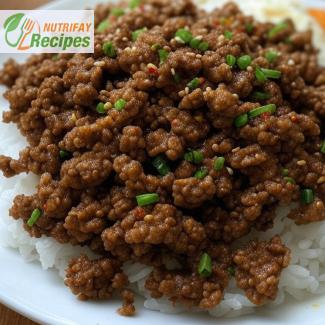
Korean cuisine is renowned for its bold flavors, savory-sweet marinades, and mouthwatering textures, and this Ground Beef Bulgogi captures the essence of traditional bulgogi in a simpler, more accessible way. Whether you’re looking for a quick weekday dinner or a flavor-packed meal to impress, this dish is a fantastic choice. Juicy, perfectly seasoned ground beef is stir-fried with garlic, ginger, soy sauce, and sesame oil, creating an incredibly umami-rich and aromatic dish that comes together in just minutes.
Paired with steamed rice, crisp vegetables, or even wrapped in lettuce, this Korean-inspired dish is as versatile as it is delicious. And the best part? It requires minimal ingredients and effort while delivering restaurant-quality flavor right in your own kitchen.
Why You’ll Love This Ground Beef Bulgogi Recipe
This Ground Beef Bulgogi is more than just a meal—it’s an experience of sweet, savory, and slightly smoky flavors that will have you coming back for seconds. Here’s why this recipe is a must-try:
1. Quick & Easy to Make
Unlike traditional bulgogi, which involves marinating thinly sliced beef, this recipe skips the long marination process while still infusing the beef with incredible depth of flavor. In just 20 minutes, you can have a sizzling, aromatic dish ready to serve.
2. Packed with Authentic Korean Flavors
Using a perfectly balanced combination of soy sauce, brown sugar, garlic, and sesame oil, this dish captures the essence of Korean cuisine without requiring a long list of specialty ingredients.
3. Budget-Friendly & Uses Simple Ingredients
Ground beef is more affordable and widely available than traditional cuts of bulgogi beef, making this a budget-conscious option that doesn’t compromise on taste.
4. Perfect for Meal Prep & Versatile Pairings
This dish stores beautifully, making it a great option for meal prepping. Serve it over steamed rice, noodles, or inside lettuce wraps for a fresh, low-carb option. You can even use it as a filling for tacos, sandwiches, or rice bowls to switch things up!
5. A Family-Friendly Dish Everyone Will Love
The combination of sweet, savory, and garlicky flavors makes this dish a hit with both kids and adults. You can easily adjust the spice level by adding a touch of gochujang or crushed red pepper flakes.
A Fusion of Tradition and Simplicity
Traditional Korean bulgogi is made using thinly sliced beef, marinated in a blend of soy sauce, sugar, garlic, and sesame oil, then grilled or pan-fried for a rich, caramelized finish. This recipe takes that iconic flavor profile and transforms it into a more convenient, everyday dish by using ground beef, which absorbs flavors quickly and cooks in no time.
By stir-frying the beef with aromatics and a touch of sweetness, you get that signature bulgogi taste with a beautifully glossy, caramelized glaze. The key to perfecting this dish is to let the beef develop a slight crisp while keeping it juicy and tender.
How to Enjoy This Dish
There’s no wrong way to enjoy Ground Beef Bulgogi, but here are some of the best serving ideas:
- Over Steamed Rice – The classic way to enjoy bulgogi. The sauce seeps into the rice, creating a deeply satisfying meal.
- With Noodles – Try serving it over glass noodles (japchae style) or even ramen for a comforting, saucy dish.
- In Lettuce Wraps – A fresh and low-carb option with a crunchy bite.
- As a Rice Bowl – Layer it with kimchi, cucumber, fried egg, and sesame seeds for a Korean-inspired rice bowl.
- In Tacos or Sandwiches – Use the beef as a filling for a fun fusion-style twist.
Make This Ground Beef Bulgogi Tonight!
If you’re craving a quick, satisfying, and flavor-packed meal, this Ground Beef Bulgogi is the perfect choice. With simple ingredients, easy preparation, and unforgettable taste, it’s a dish you’ll want to make again and again.
So why wait? Grab your ingredients and bring a taste of Korea to your kitchen tonight!
Step 1: Prepare the Ingredients
- Mince the garlic, finely chop the onion, and grate the ginger.
- If using spring onions, finely chop them and set aside for garnishing.
- Cook jasmine rice according to package instructions if serving with the dish.
Step 2: Cook the Ground Beef
- Heat sesame oil in a pan over medium heat.
- Add the onion and garlic, sautéing until fragrant and translucent (about 2 minutes).
- Add the ground beef, breaking it apart with a spatula. Cook for 5-7 minutes until browned.
Step 3: Add Seasoning
- Stir in the soy sauce, brown sugar, mirin, grated ginger, and red pepper flakes (if using).
- Cook for another 5 minutes, stirring occasionally, until the sauce is slightly reduced and coats the beef.
- Sprinkle with toasted sesame seeds and spring onions before removing from heat.
Step 4: Assemble and Serve
- Serve the bulgogi beef over a bed of steamed rice.
- Add sliced cucumber and julienned carrot for a fresh crunch.
- Optionally, top each bowl with a fried egg and drizzle with a little sesame oil.
How to Customize and Enhance Your Ground Beef Bulgogi
Ground Beef Bulgogi is already a fantastic dish, balancing sweet, savory, and umami flavors, but there are many ways to tweak the recipe to match your preferences. Whether you're looking to make it healthier, spicier, richer, or even gluten-free, small adjustments can create an entirely different experience. Below, we explore various ways to customize, substitute ingredients, and elevate this dish while preserving its Korean-inspired essence.
Adjusting the Protein for a Different Texture and Flavor
Using Different Types of Meat
While ground beef is the classic choice in this recipe, you can swap it for other proteins to modify the flavor, texture, and nutritional value:
- Ground Chicken or Turkey – These leaner options reduce the fat content while keeping the dish light and tender. The milder flavor allows the garlic, soy sauce, and sesame oil to shine even more.
- Ground Pork – Adds a slightly richer and juicier taste, as pork retains more fat. The dish will have a deeper umami richness, complementing the sweetness of the sauce.
- Thinly Sliced Beef (Traditional Bulgogi Style) – Using ribeye or sirloin, thinly sliced, creates a more authentic, chewy texture. Marinate the beef for at least 30 minutes before cooking to enhance flavor absorption.
- Plant-Based Meat Alternatives – If you're looking for a vegetarian or vegan version, try using textured vegetable protein (TVP), soy crumbles, or lentils. Add an extra drizzle of sesame oil for richness.
Adjusting the Sauce to Match Your Taste
Making It Sweeter or Less Sweet
- If you prefer a sweeter bulgogi, increase the brown sugar or honey slightly. This will enhance the caramelization of the beef and create a sticky glaze.
- For a less sweet version, reduce the sugar or substitute it with coconut sugar, maple syrup, or a sugar-free alternative.
Enhancing the Umami Flavor
The soy sauce base already provides rich umami depth, but you can intensify the savoriness with:
- A splash of fish sauce – Adds a deep fermented saltiness, often found in Korean and Thai cuisine.
- A few drops of Worcestershire sauce – Boosts the meaty taste while adding a subtle tang.
- Miso paste (¼ teaspoon stirred in) – Adds a deeper, fermented umami complexity.
Adjusting the Heat Level
Korean cuisine often includes spicy elements, and you can control the heat level by modifying these ingredients:
- Mild Version: Omit the red pepper flakes and avoid gochujang.
- Medium Spice: Keep the crushed red pepper or add a small amount of gochujang (Korean chili paste).
- Spicy and Bold: Increase the gochujang and add sliced fresh chili peppers or a drizzle of Korean chili oil.
Making It Gluten-Free
This dish can be easily adapted for a gluten-free diet by replacing soy sauce with alternatives:
- Tamari – A gluten-free soy sauce alternative that provides a nearly identical taste.
- Coconut Aminos – A slightly sweeter, less salty alternative that works well in bulgogi.
- Gluten-Free Soy Sauce – If using a certified gluten-free brand, it will maintain the traditional flavor profile.
Enhancing the Aromatics
The garlic and ginger in the recipe already provide incredible depth, but additional aromatic ingredients can take the flavor up a notch:
- Shallots or Leeks: Sautéing these with the garlic can add a subtle, sweet onion-like flavor.
- Lemongrass: Finely minced lemongrass brings a citrusy freshness, making the dish more vibrant.
- Scallions (Green Onions): Use both the white and green parts—white for depth and green for brightness.
Making It Healthier
If you want to reduce calories or fat, here are some modifications:
- Use Leaner Meat: Choosing lean ground beef (5% fat), ground turkey, or ground chicken lowers the fat content.
- Reduce Sugar: Use half the brown sugar or replace it with honey, maple syrup, or a sugar alternative.
- Add More Vegetables: Mix in shredded carrots, mushrooms, zucchini, or bell peppers to increase fiber and vitamins.
- Serve Over Cauliflower Rice: A great low-carb option that mimics the texture of rice.
Transforming the Serving Style
The classic way to serve bulgogi beef is over steamed white rice, but you can change up the meal by experimenting with different bases and serving styles:
Serving Over Different Grains
- Brown Rice or Quinoa – A higher-fiber option that keeps you full longer.
- Barley or Farro – Adds a nutty, chewy texture that complements the beef.
Making Bulgogi Lettuce Wraps
For a low-carb, fresh variation, serve the beef in lettuce wraps:
- Use butter lettuce, romaine, or perilla leaves.
- Add julienned carrots, cucumbers, and kimchi for extra crunch and flavor.
- Top with a drizzle of spicy gochujang sauce or sesame dressing.
Turning It Into a Rice Bowl
Create a balanced meal by layering:
- Steamed rice or noodles as the base.
- Sautéed vegetables (such as mushrooms, carrots, or bok choy).
- Ground beef bulgogi, topped with scallions and sesame seeds.
- A fried egg for extra richness.
- Kimchi or pickled radish for acidity and contrast.
Storing and Reheating
If you have leftovers, this dish stores well and retains its flavor beautifully:
- Refrigerate: Store in an airtight container for up to 4 days.
- Freeze: The cooked beef can be frozen for up to 3 months. Thaw in the fridge before reheating.
- Reheat: Warm in a pan over medium heat with a splash of water or sesame oil to refresh the flavors.
Bringing Out the Best in Your Bulgogi
To maximize flavor and ensure the best results:
- Cook on High Heat: This creates a light sear on the beef, adding caramelized depth.
- Don’t Overcrowd the Pan: Cooking in batches ensures the beef browns properly rather than steams.
- Let It Rest Before Serving: Letting the beef sit for 2-3 minutes allows the flavors to settle.
Elevating the Dish with Garnishes
A final touch of garnishes can bring the whole dish together:
- Extra sesame seeds for nutty crunch.
- A drizzle of sesame oil for richer depth.
- Sliced chili peppers for spice.
- Pickled daikon or kimchi for contrast.
This Ground Beef Bulgogi is already packed with flavor, versatility, and comfort, but the beauty of this dish lies in its adaptability. Whether you adjust the spice level, change the protein, or serve it differently, each small tweak creates a new experience while keeping the heart of Korean flavors intact.
Now that you know how to modify and enhance this recipe, how will you make it your own?
- Contains: Soy (from soy sauce), Sesame (sesame oil & seeds)
- Gluten-Free Substitutes: Use tamari or coconut aminos instead of soy sauce.
- Soy-Free Substitute: Replace soy sauce with coconut aminos and increase the salt slightly.
- Vitamin B12 (3 mcg, 125%) – Supports red blood cell production and brain health.
- Iron (4 mg, 45%) – Essential for oxygen transport and energy levels.
- Zinc (6 mg, 50%) – Boosts immune system and promotes wound healing.
- Vitamin A (180 IU, 6%) – Supports vision and skin health.
- Potassium (400 mg, 12%) – Helps regulate blood pressure and muscle function.
- Sesame Seeds – Rich in lignans and vitamin E – Helps reduce inflammation and supports heart health.
- Garlic – Contains allicin – Known for its immune-boosting and anti-inflammatory properties.
- Ginger – Packed with gingerol – Aids digestion and reduces oxidative stress.
- Spring Onions – High in flavonoids – Supports cardiovascular health and improves blood circulation.
Recipes worth trying