Japanese Chicken Curry – A Rich and Flavorful Comfort Dish
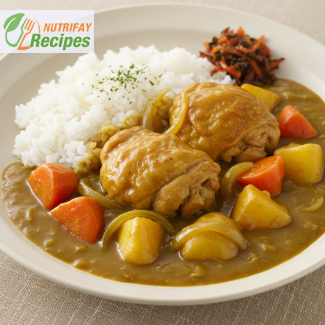
Japanese Chicken Curry is a deeply satisfying and aromatic dish that brings together the perfect balance of savory, sweet, and mildly spiced flavors. Unlike its Indian counterpart, Japanese curry is thicker, milder, and slightly sweet, creating a rich, velvety sauce that coats each piece of tender chicken and perfectly cooked vegetables. This comforting dish is a staple in Japanese households and is often served with a steaming plate of fluffy white rice for a meal that feels like a warm embrace.
With its deep umami flavor, creamy texture, and gentle warmth from spices, Japanese Chicken Curry is the perfect dish for any season. Whether you're looking for a hearty family meal, a dish to impress guests, or just an easy way to explore authentic Japanese flavors, this curry is an absolute must-try.
What Makes Japanese Chicken Curry So Special?
Unlike traditional curries from India or Thailand, Japanese curry has a unique character that sets it apart. Here’s what makes it truly special:
- Mild yet deeply flavorful – The combination of curry powder, caramelized onions, and a hint of sweetness from apples or honey creates a well-balanced taste.
- Thick and velvety texture – Thanks to the use of a curry roux, the sauce becomes rich and smooth, perfectly coating every ingredient.
- Perfectly tender chicken – Simmered gently, the chicken absorbs all the flavors, making it juicy and incredibly tender.
- Hearty vegetables – Potatoes, carrots, and onions add both flavor and texture, creating a dish that’s as comforting as it is nourishing.
- Easy to customize – You can adjust the spice level, add cheese for an extra creamy touch, or even make a vegetarian version.
Japanese Chicken Curry is a true comfort food that’s loved by both children and adults, making it a perfect meal for the whole family.
A Perfectly Balanced Flavor Profile
What makes Japanese Chicken Curry so irresistible is its perfectly balanced flavor profile. The savory depth of the roux, combined with a hint of sweetness and mild spices, creates a complex yet comforting taste that lingers with every bite.
- Sweetness – From caramelized onions, apples, or honey, giving the curry its signature mild and pleasant taste.
- Umami richness – Thanks to soy sauce, chicken broth, and the slow cooking process, the dish develops deep, satisfying flavors.
- Mild spice – The blend of curry powder and garam masala provides warmth without being overpowering.
- Creamy texture – The roux thickens the curry to a perfect consistency, making it extra indulgent.
Each bite of this velvety, aromatic dish offers a wonderful harmony of flavors, making it one of the most beloved comfort foods in Japan.
Why You’ll Love This Recipe
If you love rich, hearty dishes that are packed with flavor, then this Japanese Chicken Curry will quickly become a favorite. Here’s why:
✔ Easy to make at home – No need to go to a restaurant; you can recreate this dish in your own kitchen with simple ingredients.
✔ Perfect for meal prep – Japanese curry tastes even better the next day as the flavors deepen and intensify.
✔ Family-friendly – The mild spice and comforting flavors make it a hit with both kids and adults.
✔ One-pot wonder – Fewer dishes to clean, making it a great option for busy weeknights.
✔ Pairs perfectly with rice – Serve it over a bowl of fluffy white rice for the ultimate comforting meal.
Once you try this flavor-packed, heartwarming curry, you’ll want to make it again and again.
How to Serve Japanese Chicken Curry
To enjoy this rich and comforting dish at its best, serve it hot over freshly steamed rice. The thick curry sauce pairs beautifully with short-grain Japanese rice, absorbing all the delicious flavors. You can also:
- Top it with crispy katsu – Turn it into a Japanese katsu curry by adding a crispy breaded chicken cutlet.
- Serve with pickles – Fukujinzuke (Japanese pickled vegetables) add a refreshing contrast to the rich curry.
- Make it extra creamy – Stir in a bit of milk or cheese for a luxurious texture.
- Add a soft-boiled egg – The creamy yolk complements the curry perfectly.
No matter how you serve it, this dish will always be a satisfying, soul-warming experience.
Ready to Experience the Ultimate Comfort Food?
Japanese Chicken Curry is more than just a meal—it’s an experience. Rich, flavorful, and incredibly comforting, this dish is guaranteed to become a staple in your home. Whether you’re trying it for the first time or revisiting an old favorite, each spoonful brings a delicious taste of Japan right to your table.
Try it today, and let the deep, savory flavors and thick, velvety sauce make this your new go-to curry dish!
Prepare the Curry Base
- Heat vegetable oil in a large pot over medium heat. Add the chicken pieces, season with salt and pepper, and cook until lightly browned. Remove and set aside.
- In the same pot, add onions and cook until soft and golden brown, about 10 minutes. Stir in garlic and ginger and cook for another minute.
- Add carrots and potatoes, then return the chicken to the pot.
Simmer the Curry
- Pour in chicken broth, add the bay leaf, and bring to a boil. Reduce heat, cover, and simmer for 20 minutes.
- Stir in soy sauce, Worcestershire sauce, honey, grated apple, and tomato paste. Let simmer uncovered for another 10 minutes until vegetables are tender.
Make the Curry Roux
- In a separate small pan, melt butter over low heat. Stir in flour and cook, stirring constantly, until the mixture turns golden brown, about 5 minutes.
- Add curry powder and garam masala, mixing well. Remove from heat.
Assemble the Curry
- Gradually stir the roux into the curry until fully dissolved. Simmer for 5 more minutes, stirring occasionally, until the sauce thickens.
- Remove the bay leaf and adjust seasoning with additional salt and pepper if needed.
Serve
- Spoon the curry over steamed rice and garnish with pickled vegetables if desired.
How to Customize and Enhance Japanese Chicken Curry
Japanese Chicken Curry is already a rich, comforting, and flavorful dish, but with a few adjustments, you can tailor it to your taste preferences, dietary needs, or even make it healthier. From ingredient swaps to variations in spice levels and cooking techniques, there are many ways to modify this dish without losing its authentic depth and character.
Adjusting the Spice Level
Japanese curry is known for its mild and slightly sweet flavor profile, but you can easily adjust the heat to match your preference.
- Milder Curry – If you prefer an even gentler taste, reduce the amount of curry powder and garam masala in the roux. You can also add a little coconut milk or heavy cream to mellow out the spices.
- Spicier Curry – Increase the garam masala or add a small amount of cayenne pepper, chili flakes, or Japanese shichimi togarashi. This will bring a noticeable kick without overpowering the signature sweetness of the dish.
- Balanced Warmth – A pinch of black pepper or white pepper can enhance the depth of flavor without making the curry overly spicy.
Choosing the Right Chicken
The type of chicken used in this recipe significantly impacts the texture and overall flavor.
- Chicken Thighs (Recommended) – Juicy and flavorful, chicken thighs have a higher fat content, which keeps them tender even after long simmering.
- Chicken Breast – A leaner option, chicken breast can be used, but it’s prone to drying out. To keep it moist, marinate it in a little soy sauce and cornstarch before cooking.
- Bone-in Chicken – Cooking with bone-in pieces like drumsticks or wings adds deeper umami to the broth but requires additional cooking time to ensure tenderness.
For a vegetarian alternative, replace chicken with firm tofu or tempeh, which will absorb the curry sauce beautifully.
Swapping the Vegetables
Traditional Japanese Chicken Curry includes onions, carrots, and potatoes, but you can experiment with different vegetables for unique textures and flavors.
- Sweeter Curry – Adding sweet potatoes or butternut squash will enhance the natural sweetness of the dish.
- Earthy and Robust Flavor – Mushrooms such as shiitake or cremini add an umami depth that complements the curry sauce.
- Crunchier Texture – Adding bell peppers or snap peas towards the end of cooking introduces a slight crunch that contrasts with the creamy sauce.
- Lighter Curry – Zucchini, cauliflower, or eggplant work well for a lower-carb version of the dish.
If you prefer a thicker curry, try blending some of the cooked potatoes into the sauce before serving.
Making the Curry Healthier
While Japanese curry is a hearty and comforting dish, it can be modified to increase its nutritional value while reducing calories and fat.
- Reduce the Roux Fat – Instead of butter, use olive oil or coconut oil, which provide a lighter texture and healthier fat content.
- Increase Fiber – Replace white rice with brown rice, quinoa, or cauliflower rice for a more fiber-rich and nutrient-dense meal.
- Less Sugar – Traditional recipes use honey or grated apples for a hint of sweetness. If you’re reducing sugar intake, opt for unsweetened applesauce or simply skip the added sweeteners.
- More Protein – Adding chickpeas or lentils alongside the chicken boosts the protein content while making the dish more filling.
By making these small changes, the curry remains deliciously comforting while being more balanced and nutritious.
Substituting the Curry Roux
The curry roux is what gives Japanese Chicken Curry its signature thickness and velvety texture, but if you’re avoiding gluten or dairy, you can try these substitutions:
- Gluten-Free Roux – Replace all-purpose flour with gluten-free flour or a mix of cornstarch and water to thicken the sauce.
- Dairy-Free Roux – Use vegan butter or neutral oil instead of butter to keep the roux dairy-free.
- Alternative Thickening Agents – Instead of making a roux, try using mashed potatoes, blended cauliflower, or arrowroot powder for a natural thickener.
These alternatives ensure that everyone can enjoy the rich, comforting taste of Japanese curry, regardless of dietary restrictions.
Intensifying the Umami Flavor
Umami is what makes Japanese curry so deeply savory and satisfying. If you want to amplify this richness, try these additions:
- Miso Paste – A spoonful of white or red miso stirred in at the end of cooking enhances the depth of flavor.
- Dashi Stock – Instead of chicken broth, use dashi (Japanese fish stock) for a more traditional taste.
- Dark Soy Sauce – A small splash adds complexity and a slightly caramelized undertone.
- Anchovy Paste or Fish Sauce – Just a tiny amount boosts umami without making the dish taste fishy.
These small enhancements create a more layered and complex curry while keeping its signature comforting character intact.
Serving Suggestions and Pairings
Japanese Chicken Curry is traditionally served over steamed white rice, but there are other ways to enjoy it:
- Katsu Curry – Serve with a crispy breaded chicken or pork cutlet for extra crunch and heartiness.
- With Udon or Soba Noodles – The thick curry sauce pairs wonderfully with chewy udon noodles or buckwheat soba noodles for a different texture.
- Stuffed in a Bread Roll – Japanese curry makes a great filling for curry bread (kare pan), a deep-fried bun filled with thick curry sauce.
- As a Dip – Serve the thick curry sauce with toasted naan or flatbread for a fusion-style meal.
Experimenting with these serving styles adds variety and excitement to the classic dish.
Storing and Reheating
One of the best things about Japanese Chicken Curry is that it tastes even better the next day as the flavors continue to develop.
- Refrigeration – Store leftovers in an airtight container for up to 3 days.
- Freezing – Curry freezes well for up to 3 months. Let it cool completely before freezing, and store it in portion-sized containers for easy reheating.
- Reheating – Warm the curry in a saucepan over low heat, adding a little water or broth to loosen the sauce if needed.
Proper storage and reheating ensure that every serving remains just as rich and flavorful as when it was first made.
Japanese Chicken Curry is a dish that can be customized in countless ways without losing its heartwarming, rich, and mildly spiced essence. Whether you adjust the spice level, swap ingredients, or experiment with different serving styles, this curry is a versatile and deeply satisfying meal that never gets boring.
Try different variations and find the perfect version that suits your taste—each bowl will always bring comfort and warmth with every bite!
- Contains: Gluten (flour, soy sauce, Worcestershire sauce), Dairy (butter)
- May contain: Soy (from soy sauce)
Substitutions for Allergy-Friendly and Gluten-Free Options
- Gluten-free version: Replace all-purpose flour with gluten-free flour blend and use gluten-free soy sauce and Worcestershire sauce.
- Dairy-free version: Substitute butter with margarine or neutral oil.
- Vitamin A: 2100 IU (good for vision and immune health)
- Vitamin C: 18 mg (boosts immune function and skin health)
- Vitamin B6: 0.9 mg (supports brain development and metabolism)
- Iron: 2.4 mg (essential for oxygen transport in the blood)
- Potassium: 780 mg (important for heart and muscle function)
- Magnesium: 45 mg (supports bone and muscle health)
- Carotenoids (from carrots): Help maintain eye health and reduce inflammation.
- Flavonoids (from onions and apples): Support heart health and reduce oxidative stress.
- Curcumin (from curry powder): Has anti-inflammatory and immune-boosting properties.
Recipes worth trying