
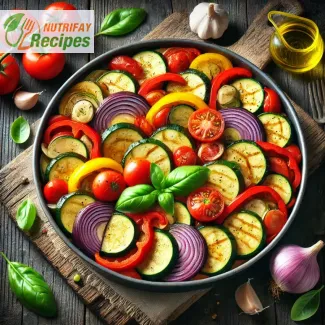
Classic French Ratatouille: A Vegan Delight
Discover the Essence of French Culinary Excellence
Ratatouille stands as a timeless symbol of French cuisine, embodying simplicity, vibrant flavors, and wholesome ingredients. Originating from the picturesque region of Provence, this classic French dish has transcended its humble beginnings to become a beloved favorite worldwide. Whether you're a seasoned vegan or exploring plant-based dining, Classic French Ratatouille: A Vegan Delight offers an exquisite culinary experience that delights the palate and nourishes the body.
A Symphony of Fresh, Seasonal Vegetables
At the heart of this vegan delight lies an array of fresh, seasonal vegetables meticulously selected to create a harmonious blend of textures and flavors. Zucchini, eggplant, bell peppers, tomatoes, and onions come together in perfect balance, each contributing their unique essence to the dish. The natural sweetness of the vegetables is enhanced by the subtle tang of garlic and the aromatic depth of herbs de Provence, creating a medley that is both comforting and invigorating.
Healthful and Nutrient-Rich
Embracing a vegan lifestyle means prioritizing meals that are not only delicious but also nutrient-dense. Classic French Ratatouille is a powerhouse of vitamins, minerals, and antioxidants, making it an excellent choice for those seeking to maintain a healthy diet without compromising on flavor. Rich in fiber and plant-based proteins, this dish supports digestive health and sustained energy levels. Additionally, the healthy fats from olive oil contribute to heart health, making Ratatouille a well-rounded addition to any meal plan.
Versatile and Adaptable
One of the remarkable qualities of Ratatouille is its versatility. Whether served as a main course, a side dish, or even as a hearty appetizer, its adaptability makes it suitable for various dining occasions. Pair it with crusty French baguette for a rustic meal, or serve it alongside quinoa or brown rice for a wholesome, balanced plate. Its vibrant colors and rich flavors also make it an attractive addition to any table, impressing guests with both its taste and presentation.
Easy to Prepare, Impressive to Serve
Despite its elegant reputation, Classic French Ratatouille is surprisingly easy to prepare, making it accessible for both novice cooks and experienced chefs alike. The preparation involves layering the vegetables in a harmonious arrangement, allowing each ingredient to retain its distinct flavor while contributing to the overall unity of the dish. The slow simmering process ensures that the vegetables meld together, creating a savory and satisfying masterpiece that is as pleasing to the eye as it is to the taste buds.
Embrace the French Tradition
By choosing to prepare Classic French Ratatouille: A Vegan Delight, you are embracing a rich culinary tradition that celebrates the bounty of nature and the art of simple, yet profound, cooking. This dish not only honors the heritage of French gastronomy but also aligns with contemporary values of sustainability and plant-based living. It is a testament to the idea that delicious and healthy meals can go hand in hand, offering a fulfilling experience for both the body and the soul.
Indulge in the vibrant flavors and wholesome goodness of Classic French Ratatouille: A Vegan Delight. This dish is a celebration of fresh vegetables, aromatic herbs, and the timeless techniques of French cooking. Perfect for any season and suitable for various occasions, Ratatouille invites you to savor the essence of Provence in every bite. Elevate your culinary repertoire with this exquisite vegan masterpiece, and enjoy a meal that is as nourishing as it is delightful.
1. Prepare the Vegetables
- Wash and Slice: Thoroughly wash all vegetables. Slice the zucchinis and eggplants into ½ cm thick rounds. Deseed and slice the bell peppers into strips. Chop the tomatoes into bite-sized pieces. Finely chop the onion and garlic.
2. Sauté the Aromatics
- Heat Olive Oil: In a large skillet or Dutch oven, heat 2 tablespoons of olive oil over medium heat.
- Cook Onions and Garlic: Add the chopped onion and garlic. Sauté until the onions become translucent, about 5 minutes.
- Add Shallot (Optional): If using, add the finely chopped shallot and cook for an additional 2 minutes.
3. Cook the Vegetables
- Add Eggplants: Push the sautéed onions and garlic to the side of the pan. Add the remaining 2 tablespoons of olive oil and place the eggplant slices in a single layer. Cook until golden brown on both sides, about 3-4 minutes per side. Remove and set aside.
- Add Zucchinis and Bell Peppers: In the same skillet, add the zucchini slices and bell pepper strips. Cook until they start to soften, about 5 minutes.
- Combine All Vegetables: Return the eggplants to the skillet. Add the chopped tomatoes, fresh thyme, bay leaf, and herbes de Provence. Season with salt and black pepper. Stir gently to combine all ingredients.
4. Simmer
- Slow Cook: Reduce the heat to low. Cover the skillet and let the ratatouille simmer for 30-40 minutes, stirring occasionally, until all vegetables are tender and flavors are well blended.
5. Final Touches
- Adjust Seasoning: Taste and adjust salt and pepper as needed. Remove the bay leaf and thyme sprigs.
- Garnish: Garnish with fresh basil leaves before serving.
Enhancing Your Classic French Ratatouille: Expert Tips and Ingredient Modifications
Introduction to Customizing Ratatouille
Classic French Ratatouille is a versatile and vibrant dish that serves as a canvas for culinary creativity. While the traditional recipe is a harmonious blend of fresh vegetables and aromatic herbs, there are numerous ways to tweak and enhance its flavor profile. Whether you're aiming to introduce new textures, intensify flavors, or cater to specific dietary preferences, these expert tips will guide you in customizing your ratatouille to perfection.
Vegetable Variations
Introducing Root Vegetables
Adding root vegetables like carrots or potatoes can introduce a subtle sweetness and additional texture to your ratatouille. Carrots, when sliced thinly, blend seamlessly with the existing vegetables, offering a slight crunch and a natural sweetness that complements the savory elements. Potatoes add heartiness, making the dish more filling and adding a creamy texture when cooked down.
Impact on Flavor: These additions enhance the depth and complexity of the dish, providing a balance between sweet and savory notes.
Incorporating Leafy Greens
Leafy greens such as spinach or kale can be folded into the ratatouille towards the end of the cooking process. These greens not only boost the nutritional value but also add a fresh, slightly bitter contrast to the sweetness of the other vegetables.
Impact on Flavor: The introduction of leafy greens offers a layered taste and a textural contrast, making each bite more dynamic.
Spice and Herb Adjustments
Experimenting with Spices
While Herbes de Provence is a staple in traditional ratatouille, experimenting with other spices like cumin, coriander, or a pinch of red chili flakes can transform the dish's flavor profile. Cumin adds a warm, earthy undertone, whereas coriander brings a citrusy brightness. Red chili flakes introduce a subtle heat that can elevate the overall taste.
Impact on Flavor: These spices infuse the ratatouille with new dimensions and complexity, catering to varied palates.
Herb Substitutions and Enhancements
Substituting or adding fresh herbs like basil, oregano, or parsley can significantly influence the dish's aroma and taste. Basil imparts a sweet, aromatic flavor, while oregano offers a robust and slightly bitter taste. Parsley adds a fresh, clean finish, enhancing the overall brightness of the dish.
Impact on Flavor: Adjusting the herbs allows you to customize the aromatic profile, making the ratatouille more herb-forward or balanced based on preference.
Cooking Method Modifications
Roasting vs. Sautéing
Opting to roast the vegetables instead of sautéing can intensify their natural flavors through caramelization. Roasting vegetables like eggplant, zucchini, and bell peppers at a high temperature before combining them can add a smoky, rich flavor to the ratatouille.
Impact on Flavor: Roasting enhances the sweetness and umami of the vegetables, providing a deeper and more concentrated flavor profile.
Slow Cooking for Enhanced Depth
Allowing the ratatouille to simmer longer can meld the flavors more thoroughly. Extending the cooking time to 1-2 hours on a low heat can break down the vegetables further, creating a smoother, more cohesive dish where flavors are fully integrated.
Impact on Flavor: Extended simmering results in a richer, more unified taste, ideal for those who prefer a mellowed and intensified flavor.
Dietary Adaptations
Gluten-Free Enhancements
Although ratatouille is naturally gluten-free, incorporating ingredients like quinoa or gluten-free pasta can turn it into a more substantial meal. Adding these elements provides a textural contrast and additional protein, making the dish more balanced and filling.
Impact on Flavor: These additions offer a nutty or earthy undertone, complementing the vegetable medley while enhancing the dish's substantiality.
Increasing Protein Content
To elevate the protein content of your ratatouille, consider adding chickpeas or tofu. Chickpeas bring a creamy texture and a mild, nutty flavor, while tofu can absorb the dish's spices, adding both protein and satisfying texture.
Impact on Flavor: These protein additions provide a heartier and more satisfying meal, ideal for those seeking a balanced vegan option.
Flavor Enhancements
Incorporating Umami Boosters
Adding ingredients rich in umami such as sun-dried tomatoes, miso paste, or a splash of soy sauce can deepen the overall flavor of the ratatouille. These components introduce a savory richness that elevates the dish's complexity.
Impact on Flavor: Umami boosters create a richer, more savory profile, enhancing the natural flavors of the vegetables.
Sweetness and Acidity Balance
Balancing sweetness and acidity can fine-tune the dish's flavor. A drizzle of balsamic vinegar or a sprinkle of maple syrup can add depth and balance the natural sweetness of the vegetables. Conversely, a squeeze of lemon juice or a dash of vinegar can introduce a refreshing tanginess that brightens the overall taste.
Impact on Flavor: These adjustments help achieve a balanced and harmonious flavor profile, preventing any single taste from overpowering the others.
Presentation and Serving Suggestions
Garnishing for Visual Appeal
Enhancing the presentation with garnishes like fresh herbs, toasted nuts, or a drizzle of extra virgin olive oil can make the dish more visually appealing and add subtle flavor nuances. Toasted pine nuts or walnuts introduce a crunchy texture, while a sprinkle of fresh herbs adds a burst of color and aroma.
Impact on Flavor: Garnishes contribute both visual appeal and additional textures and flavors, enriching the dining experience.
Serving Temperature Variations
While ratatouille is traditionally served warm, experimenting with serving it cold or at room temperature can offer a different dining experience. Cold ratatouille can function as a refreshing salad or side dish, especially during warmer months.
Impact on Flavor: Serving temperature affects the perception of flavors and textures, providing versatility for different seasons and preferences.
Customizing your Classic French Ratatouille opens up a world of culinary possibilities, allowing you to tailor the dish to your taste preferences, dietary needs, and seasonal ingredients. By experimenting with different vegetable combinations, spices, herbs, and cooking techniques, you can transform this timeless dish into a personalized masterpiece. Embrace these tips to enhance the flavor, nutrition, and aesthetic appeal of your ratatouille, making each meal a unique and delightful experience.
- Contains: None
- Gluten: Naturally gluten-free
Allergy and Gluten-Free Substitution Tips
- Gluten-Free: Ensure all herbs and spices used are certified gluten-free to avoid cross-contamination.
- Allergen-Free: This recipe is free from common allergens such as nuts, soy, and dairy. Always verify individual ingredient labels to prevent allergic reactions.
- Vitamin A: Essential for vision, immune function, and skin health.
- Vitamin C: Supports the immune system, enhances iron absorption, and acts as an antioxidant.
- Vitamin K: Crucial for blood clotting and bone health.
- Potassium: Helps regulate fluid balance, muscle contractions, and nerve signals.
- Folate: Important for DNA synthesis and repair, and essential during pregnancy.
- Iron: Vital for the transport of oxygen in the blood and energy production.
- Calcium: Necessary for strong bones and teeth, muscle function, and nerve signaling.
- Lycopene: Found in tomatoes, it helps protect cells from damage and may reduce the risk of certain cancers.
- Beta-Carotene: Present in bell peppers and zucchini, it converts to vitamin A and supports eye health.
- Quercetin: Found in onions, it has anti-inflammatory and antihistamine effects.
- Flavonoids: Present in various vegetables, they contribute to heart health and have anti-inflammatory properties.
- Vitamin C: Acts as a powerful antioxidant, protecting the body from free radical damage and supporting overall health.
Storage
- Leftovers: Store any leftover ratatouille in an airtight container in the refrigerator for up to 4 days. Reheat gently on the stovetop or in the microwave before serving.
Tips for Success
- Quality Ingredients: Use the freshest vegetables available for the best flavor and texture.
- Even Slicing: Ensure all vegetables are sliced uniformly to cook evenly.
- Slow Cooking: Allow the ratatouille to simmer slowly to let the flavors meld together beautifully.
- Taste and Adjust: Always taste the dish before serving and adjust the seasoning to your preference.
Enjoy your Classic French Ratatouille: A Vegan Delight, a perfect blend of vibrant vegetables and aromatic herbs that celebrate the essence of French cuisine in a wholesome, plant-based dish.
Recipes worth trying


