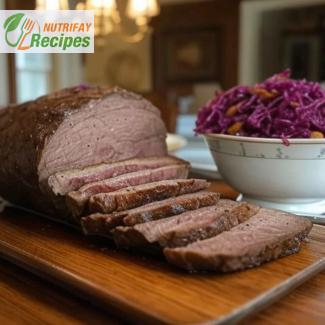
If you're looking for the best Bulgogi recipe, you're in the right place! This authentic Korean dish is all about tender, thinly sliced beef marinated in a perfectly balanced blend of sweet, savory, and umami-rich flavors. Cooked to perfection, this dish boasts a mouthwatering caramelized crust and an irresistible depth of taste that will transport you straight to Korea with every bite.
What Makes This Bulgogi Recipe Special?
This isn't just any Bulgogi recipe—it's the ultimate homemade version that stays true to traditional Korean flavors while ensuring ease of preparation in any kitchen. Whether you’re making it for a quick weeknight dinner, a special occasion, or a Korean BBQ night with friends, this recipe delivers a truly authentic, restaurant-quality experience.
Using high-quality beef, a perfectly balanced marinade, and the right cooking technique, you’ll achieve the signature tenderness and rich, smoky aroma that make Bulgogi one of Korea’s most beloved dishes.
Why You’ll Love This Bulgogi Recipe
- Authentic Korean flavors – This recipe follows traditional Korean techniques to bring out the best in every ingredient.
- Easy to make at home – You don’t need fancy equipment or hard-to-find ingredients to achieve that rich, smoky taste.
- Perfectly tender and juicy beef – The marinade works wonders, breaking down the meat’s fibers for a melt-in-your-mouth texture.
- Quick and versatile – Bulgogi cooks in just minutes and pairs beautifully with rice, noodles, or lettuce wraps.
- Ideal for meal prep – The marinade does all the work while you relax! Prepare in advance and cook when ready.
What is Bulgogi?
Bulgogi (불고기), meaning “fire meat” in Korean, is one of the most iconic dishes in Korean cuisine. Traditionally, it's made with thinly sliced beef, marinated in a flavorful mix of soy sauce, garlic, ginger, sesame oil, sugar, and other seasonings. It’s typically grilled over an open flame, but you can also cook it in a skillet or on a stovetop grill pan for convenience.
The result? Juicy, caramelized, and deeply flavorful beef that pairs beautifully with steamed rice, fresh vegetables, and classic Korean side dishes like kimchi and pickled radish.
The Secret to the Best Bulgogi
The magic of Bulgogi lies in its marinade. This sweet and savory blend infuses the beef with depth and complexity, ensuring every bite is packed with bold Korean flavors.
Key Ingredients for the Perfect Marinade
- Soy sauce – Provides a deep, umami base.
- Brown sugar & honey – For the signature caramelization and a hint of sweetness.
- Garlic & ginger – Adds warmth and spice.
- Sesame oil – Brings a rich, nutty aroma.
- Asian pear or apple – The secret ingredient for ultra-tender meat!
- Green onions & sesame seeds – For extra flavor and garnish.
How to Serve Bulgogi
Bulgogi is a versatile dish that can be enjoyed in many ways:
- With steamed rice – The classic pairing that balances out the bold flavors.
- In lettuce wraps – A lighter, low-carb option with fresh crunch.
- With noodles – Try adding Bulgogi to stir-fried noodles for an extra indulgence.
- As a Korean BBQ favorite – Grill it over an open flame and enjoy the smokiness.
- As a filling for tacos or sandwiches – A fusion twist that works surprisingly well!
What Pairs Well with Bulgogi?
To make your Bulgogi meal even more enjoyable, serve it with:
- Kimchi – A classic spicy, fermented Korean side dish.
- Pickled radishes – Refreshing and slightly tangy.
- Steamed rice – A neutral base that soaks up the flavorful juices.
- Gochujang (Korean chili paste) – Adds an extra kick of heat.
- Korean-style coleslaw – A crunchy, slightly sweet contrast to the savory meat.
Pro Tips for the Best Bulgogi
- Choose the right cut of beef – Ribeye or sirloin works best for tenderness.
- Slice the meat thinly – This ensures quick cooking and perfect texture.
- Marinate for at least 2 hours – Overnight is even better for maximum flavor.
- Use a hot pan or grill – High heat helps achieve that signature caramelization.
- Don’t overcrowd the pan – Cook in batches to keep the beef seared, not steamed.
Make It Your Own!
This recipe is easily customizable. Here are some variations to try:
- Spicy Bulgogi – Add gochujang or red pepper flakes for extra heat.
- Chicken Bulgogi – Swap the beef for chicken thighs.
- Pork Bulgogi – A fattier, juicier alternative with amazing depth.
- Vegan Bulgogi – Use mushrooms or tofu as a delicious plant-based substitute.
Ready to Experience the Best Bulgogi?
Now that you know all the secrets to making the best Bulgogi at home, it's time to try it yourself! Whether you're new to Korean cuisine or a longtime fan, this easy, flavor-packed recipe will become a staple in your kitchen.
Prepare your ingredients, fire up your pan, and let the rich aroma of Bulgogi fill your home. Trust us—once you taste this incredible dish, you'll be making it again and again!
1. Prepare the Marinade
- In a large bowl, combine soy sauce, brown sugar, honey, minced garlic, grated ginger, sesame oil, grated Asian pear (or apple), rice vinegar, black pepper, sesame seeds, and chopped green onions.
- Whisk together until the sugar is completely dissolved, creating a well-balanced marinade.
2. Slice the Beef
- For the most tender texture, place the beef in the freezer for about 30 minutes before slicing.
- Use a sharp knife to cut the beef into very thin slices (about 2 mm or ¹/₁₆ inch thick). The thinner the slices, the faster they cook and absorb the marinade.
3. Marinate the Beef
- Add the sliced beef to the marinade, ensuring every piece is well coated.
- Cover and refrigerate for at least 2 hours, or for the best flavor, overnight.
4. Cook the Bulgogi
- Heat 1 tbsp vegetable oil in a large skillet or grill pan over high heat.
- Once the pan is very hot, add the marinated beef in a single layer. Avoid overcrowding to allow caramelization.
- Cook for 2-3 minutes on each side, flipping only once, until the beef is browned and slightly charred on the edges.
- Repeat with the remaining beef, adding more oil if necessary.
5. Assemble & Serve
- Serve the hot Bulgogi over steamed rice for a classic pairing.
- Alternatively, enjoy Bulgogi in lettuce wraps, topped with kimchi and a drizzle of sesame oil.
- Garnish with extra sesame seeds and chopped green onions before serving.
How to Elevate Your Bulgogi – Expert Tips & Ingredient Substitutions
The best Bulgogi recipe is already packed with deep, complex flavors, but there are ways to take it to the next level. Whether you want to make it more tender, richer, spicier, or healthier, small tweaks can have a big impact. Below, we’ll explore ingredient swaps, cooking methods, and serving variations that can help you tailor Bulgogi to your preferences while maintaining its authentic Korean essence.
Choosing the Best Beef for Bulgogi
The quality and cut of beef can significantly affect the texture, tenderness, and flavor of Bulgogi. Traditionally, ribeye or sirloin is preferred because they are marbled with fat, giving the beef a juicy and flavorful bite.
Best beef cuts for Bulgogi
- Ribeye – Has the most marbling, making it the juiciest and most flavorful choice.
- Sirloin – Leaner than ribeye but still tender and well-balanced.
- Flank steak – A cheaper option, but it must be sliced very thinly to remain tender.
- Tenderloin – Extremely soft and buttery, but it lacks the intense beefy flavor of ribeye.
Tip: If you’re using a leaner cut, you can add a little extra sesame oil to compensate for the missing fat and ensure the beef remains moist and tender.
The Role of the Marinade – Balancing Sweet, Savory & Umami
A great Bulgogi marinade is about balance. The combination of soy sauce, sugar, garlic, ginger, and sesame oil creates the signature depth of flavor. Each ingredient plays a vital role, but you can adjust them based on your preference.
How to modify the Bulgogi marinade
- For a richer umami flavor – Add a splash of fish sauce or a small amount of miso paste. These ingredients provide a deeper savory taste without overpowering the beef.
- To enhance tenderness – The Asian pear in the marinade is the key to achieving soft, melt-in-your-mouth beef. If you don’t have an Asian pear, you can substitute it with grated apple, kiwi, or pineapple—but be cautious! Pineapple contains strong enzymes that can break down the meat too quickly, so only marinate for 30 minutes if using pineapple.
- For a stronger garlic kick – If you love bold flavors, increase the amount of garlic in the marinade. Minced raw garlic delivers a sharper taste, while roasted garlic creates a smoother, caramelized sweetness.
- To reduce sweetness – If you prefer a less sweet Bulgogi, reduce the brown sugar and honey slightly or replace them with a natural sweetener like coconut sugar.
- For a smoky depth – Add a few drops of liquid smoke or cook Bulgogi over charcoal for a BBQ-style aroma.
Cooking Bulgogi – Techniques for Maximum Flavor
The way you cook Bulgogi can make or break the final dish. It’s important to get the right sear and caramelization while keeping the meat tender and juicy.
The best ways to cook Bulgogi
- High-heat grilling – The traditional Korean method is to grill Bulgogi over an open flame, which imparts a smoky and slightly charred flavor. A cast-iron grill pan can replicate this effect indoors.
- Stovetop searing – If grilling isn’t an option, a large skillet or wok over high heat works well. Cook the beef in small batches to ensure proper caramelization. Overcrowding the pan will cause the meat to steam instead of sear.
- Broiling in the oven – For a hands-free option, spread the marinated beef on a baking sheet and broil it on high heat for 5-7 minutes, flipping halfway through. This method is faster but won’t give you the same crispy edges as grilling or pan-searing.
Tip: If cooking on a pan, avoid using too much oil—the beef has enough natural fat, and excess oil can prevent proper caramelization.
Adjusting the Spice Level in Bulgogi
Bulgogi is typically mild and slightly sweet, but if you prefer a spicy kick, you can easily adjust the heat level.
Ways to make Bulgogi spicier
- Gochujang (Korean chili paste) – Adds a deep, fermented heat with a hint of sweetness. Mix 1 tbsp into the marinade for a spicy-sweet balance.
- Gochugaru (Korean red pepper flakes) – Offers a more subtle spice compared to gochujang. Sprinkle it over the beef before or after cooking.
- Fresh chili peppers – Sliced red chili peppers (like Thai chilies) will provide a fresh, sharp heat.
- Sriracha or hot sauce – If you don’t have Korean spices, adding Sriracha to the marinade works well as a substitute.
Making Bulgogi Healthier – Low-Carb, Gluten-Free & Vegan Options
If you’re looking for a healthier version of Bulgogi, there are several adjustments you can make while keeping the dish delicious.
How to make Bulgogi healthier
- For a low-carb Bulgogi – Serve it without rice and instead pair it with lettuce wraps or zucchini noodles.
- To reduce sodium – Use low-sodium soy sauce or replace it with a mix of tamari and coconut aminos.
- For a leaner option – Swap ribeye for sirloin or even chicken breast, which absorbs the marinade beautifully.
- Gluten-free Bulgogi – Traditional soy sauce contains gluten. Use tamari or coconut aminos as a substitute.
- Vegan Bulgogi – Replace beef with mushrooms (shiitake or king oyster) or firm tofu. Marinate the mushrooms or tofu overnight to absorb the flavors fully.
The Best Side Dishes for Bulgogi
Pairing Bulgogi with the right side dishes makes the meal more balanced and satisfying.
Traditional Korean side dishes to serve with Bulgogi
- Kimchi – The fermented, spicy cabbage adds a bold contrast to Bulgogi’s sweetness.
- Pickled radish – A refreshing, tangy side that helps balance the richness of the meat.
- Steamed rice – The classic choice to soak up the flavorful juices.
- Japchae (Korean glass noodles) – A sweet-savory noodle dish that complements Bulgogi well.
- Korean egg rolls (Gyeran Mari) – Light and fluffy egg rolls that provide a soft texture contrast.
Customizing Your Perfect Bulgogi
Bulgogi is an incredibly versatile dish that can be tailored to your taste. Whether you want to enhance tenderness, deepen the umami, increase spice, or make it healthier, small changes can make a big difference.
Now that you know how to customize your Bulgogi like a pro, it’s time to put these tips into action. Experiment with different cuts of beef, marinades, and cooking techniques to create a personalized Bulgogi that suits your taste perfectly.
Contains:
- Soy (soy sauce)
- Gluten (soy sauce)
- Sesame (oil, seeds)
How to Make It Allergy-Friendly
- Gluten-Free: Replace soy sauce with tamari or coconut aminos.
- Soy-Free: Use coconut aminos instead of soy sauce.
- Sesame-Free: Omit sesame oil & sesame seeds or replace with sunflower oil.
- Vitamin B12: 2.5 µg (Essential for brain function and energy production)
- Iron: 3.8 mg (Supports red blood cell production and oxygen transport)
- Zinc: 6.5 mg (Boosts immune function and cell repair)
- Vitamin C: 2 mg (Supports immunity and collagen synthesis)
- Magnesium: 30 mg (Essential for muscle function and heart health)
- Garlic & Ginger: Rich in allicin and gingerol, known for anti-inflammatory and immune-boosting properties.
- Asian Pear: Contains flavonoids that help with digestion and metabolism.
- Green Onions & Sesame Seeds: Packed with quercetin and lignans, which may help reduce cholesterol and improve heart health.
Enjoy this authentic Bulgogi recipe and experience the rich, savory-sweet flavors of Korea!
Recipes worth trying