
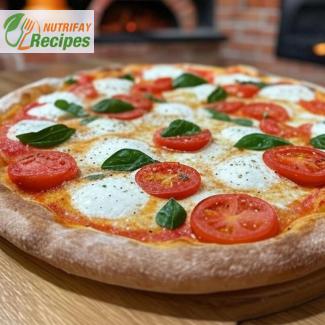
Few dishes capture the heart and soul of a country quite like the Margherita Pizza. Originating from Naples, the birthplace of pizza, this classic recipe embodies the essence of Italian cooking: simplicity, quality ingredients, and unforgettable flavor. With its thin, crispy crust, vibrant tomato sauce, creamy mozzarella, and fragrant basil leaves, a well-prepared Margherita pizza is more than just a meal—it’s an experience.
A Slice of History
The story of the Margherita Pizza is steeped in tradition. Legend has it that this pizza was created in 1889 to honor Queen Margherita of Savoy. Its three key ingredients—tomatoes, mozzarella, and basil—were chosen to reflect the colors of the Italian flag. Today, the Margherita remains a symbol of Italian pride and one of the most beloved pizzas worldwide.
The Art of Simplicity
What makes the Margherita pizza so unique is its simplicity. This isn’t a dish that relies on heavy toppings or complex techniques; instead, it celebrates the natural flavors of high-quality ingredients. A hand-stretched dough, made with just a few basic pantry staples, serves as the perfect foundation. The tomato sauce, made from ripe San Marzano tomatoes, bursts with a fresh, tangy flavor. And the crowning touch—mozzarella di bufala or fresh Fior di Latte—melts into creamy perfection, beautifully complemented by the peppery notes of fresh basil leaves.
Why Choose Margherita?
Whether you’re planning a casual dinner or hosting a special gathering, the Margherita Pizza is always a crowd-pleaser. Its balanced flavors and elegant presentation make it a versatile dish, suitable for almost any occasion. Plus, this recipe is a great way to explore the authentic techniques of Italian pizza-making in your own kitchen. From kneading the dough to crafting the perfect tomato sauce, every step brings you closer to the traditions of Neapolitan cuisine.
Tips for Success
- Use Authentic Ingredients: To achieve the best results, opt for Italian-imported ingredients like San Marzano tomatoes, extra virgin olive oil, and mozzarella di bufala. These ensure an authentic taste that elevates your pizza to restaurant-quality.
- Master the Dough: A proper pizza dough should be light, airy, and slightly chewy. Allow ample time for the dough to rise, as this develops its flavor and texture.
- Perfect Your Cooking Method: While a wood-fired oven is traditional, a home oven with a preheated pizza stone can also produce excellent results. The key is achieving a high cooking temperature, which ensures a crisp crust and evenly melted cheese.
A Culinary Journey Awaits
Making a Margherita Pizza from scratch is not just about the end result—it’s about the journey. The aroma of fresh basil, the satisfying stretch of perfectly risen dough, and the vibrant colors of a freshly assembled pizza bring joy to every stage of preparation. Whether you’re an experienced home chef or a beginner, this recipe invites you to connect with the heart of Italian gastronomy.
Health Benefits of Homemade Margherita Pizza
In addition to its irresistible flavor, a homemade Margherita Pizza offers nutritional advantages. The fresh tomatoes provide a rich source of lycopene, an antioxidant known to support heart health and reduce inflammation. Mozzarella is an excellent source of protein and calcium, while fresh basil adds a burst of vitamin K and essential oils. By making this pizza at home, you can control the quality and quantity of ingredients, ensuring a dish that’s as healthy as it is delicious.
A Recipe for Memories
When you serve a Margherita Pizza, you’re doing more than feeding your guests—you’re creating memories. The vibrant colors, enticing aroma, and satisfying flavors make every bite unforgettable. It’s a dish that brings people together, evoking the warmth and conviviality of an Italian trattoria.
In the end, the beauty of the Authentic Italian Margherita Pizza lies in its universal appeal. It transcends borders and cultures, proving that the simplest things in life—when done with care and passion—can be the most extraordinary.
Step 1: Prepare the Dough
- In a large bowl, mix the flour and salt. Dissolve the yeast in lukewarm water and let it sit for 5 minutes until it becomes frothy.
- Gradually add the yeast mixture to the flour while stirring with a spoon or hands. Add the olive oil and knead the dough on a floured surface for about 8–10 minutes until smooth and elastic.
- Cover the dough with a damp cloth and let it rise for 1–2 hours in a warm place until it doubles in size.
Step 2: Prepare the Sauce
- Blend the San Marzano tomatoes until smooth, or crush them by hand for a chunkier texture.
- Mix with olive oil, salt, and optional oregano. Set aside.
Step 3: Preheat the Oven
- Preheat your oven to the maximum temperature (usually 250°C or 482°F). Place a pizza stone or an upside-down baking tray in the oven to preheat for at least 30 minutes.
Step 4: Shape the Dough
- Divide the risen dough into 4 equal portions. Roll each portion into a ball and let rest for 10 minutes.
- On a floured surface, stretch or roll each ball into a thin circle, about 25 cm (10 inches) in diameter.
Step 5: Assemble the Pizza
- Place the dough onto parchment paper or a floured pizza peel. Spread 2–3 tbsp of prepared tomato sauce evenly over the dough, leaving a 2 cm (¾ inch) border.
- Tear the mozzarella into pieces and scatter over the sauce. Add a few basil leaves.
Step 6: Bake
- Transfer the pizza to the preheated stone or tray. Bake for 7–9 minutes, or until the crust is golden and the cheese is bubbling.
- Remove from the oven and drizzle with a little olive oil. Add more fresh basil if desired. Serve hot.
Tips for Perfecting and Customizing Your Margherita Pizza Recipe
Making an Authentic Italian Margherita Pizza is a rewarding experience, but with a few thoughtful adjustments, you can tailor the recipe to suit your taste, dietary needs, or cooking environment. Here are professional insights and suggestions to help you achieve pizza perfection while maintaining its authentic charm.
Choosing and Modifying Ingredients
Flour Variations
- Traditional Flour: The recipe calls for all-purpose flour, which works well for most home ovens. However, for a more authentic touch, consider using ‘00’ flour, which is finer and yields a softer, more elastic dough. This results in a lighter crust with a delicate chew.
- Gluten-Free Alternatives: For those with gluten sensitivities, replace all-purpose flour with a gluten-free blend. While the crust may lack the elasticity of traditional dough, adding a small amount of xanthan gum can improve the structure.
Mozzarella Options
- Fresh Mozzarella: Use mozzarella di bufala for its creamy texture and slightly tangy flavor, which complements the tomato sauce beautifully.
- Fior di Latte: For a milder and less expensive alternative, try cow’s milk mozzarella. It has a similar texture but a more subtle flavor.
- Vegan Substitutes: If you’re making a dairy-free version, choose a high-quality vegan mozzarella. While it won’t replicate the richness of traditional cheese, options made from cashews or almonds provide creaminess without sacrificing flavor.
Tomato Sauce Enhancements
- Tomato Choices: Authentic Margherita pizza sauce relies on San Marzano tomatoes for their sweetness and low acidity. If unavailable, choose ripe, high-quality tomatoes or canned alternatives labeled “plum tomatoes.”
- Flavor Boosters: Add a pinch of sugar to the sauce if the tomatoes are too acidic, or include a touch of garlic or fresh oregano for additional complexity.
Basil and Herbs
- Fresh Basil: Always use fresh basil leaves, as dried basil lacks the aromatic oils essential to this pizza.
- Other Herbs: While basil is traditional, you can experiment with fresh thyme or rosemary for a subtle twist. However, avoid overpowering the dish with strong herbs that mask its simplicity.
Adjusting Dough Preparation
Longer Fermentation for Flavor
For a richer, more developed flavor, consider cold-proofing the dough. After kneading, let the dough rise in the refrigerator for 24–48 hours. This slow fermentation enhances the crust’s texture and adds a subtle tang.
Hydration Levels
Increasing the water content slightly can yield a softer, airier crust, but handling the dough may become trickier. Practice stretching wetter dough to achieve those signature bubbles in the crust.
Cooking Temperatures
- High Heat is Key: Traditional Neapolitan pizzas are cooked in wood-fired ovens at temperatures exceeding 400°C (750°F). While home ovens don’t reach these levels, preheating a pizza stone or steel can mimic the effect.
- Adjust for Equipment: If you don’t have a stone or steel, use an upside-down baking tray preheated in the oven. This ensures the crust cooks evenly and develops a nice char.
Flavor Tweaks and Additions
Olive Oil Variations
- Extra Virgin Olive Oil: Always drizzle extra virgin olive oil on the pizza before or after baking for its fruity flavor.
- Infused Oils: For a creative twist, use garlic-infused or chili-infused olive oil for added depth and heat.
Adding Toppings While Keeping Authenticity
While a Margherita Pizza is defined by its simplicity, subtle additions can enhance the flavor without compromising its traditional essence:
- Shaved Parmesan: A sprinkle of aged Parmesan adds a salty, nutty flavor.
- Cherry Tomatoes: Halved cherry tomatoes can provide bursts of sweetness and texture.
Experimenting with Salt Levels
Balancing salt is critical for pizza. Too much salt in the dough, sauce, or cheese can overwhelm the dish, while too little leaves it bland. Adjust the seasoning in the sauce first, as it’s easiest to control.
Dietary Adjustments
Lower-Calorie Version
To reduce calories without sacrificing flavor:
- Use low-fat mozzarella or a smaller amount of regular mozzarella.
- Replace olive oil with a light mist of oil spray.
Vegan Adaptations
Switch to plant-based cheese and incorporate nut-based Parmesan or nutritional yeast for an umami-rich finish.
Influence of Changes on Taste
Crust Texture and Flavor
- Using ‘00’ Flour: Produces a crust that is both crispy and chewy, giving a more authentic Italian feel.
- Higher Hydration Dough: Results in an airy crust with larger pockets of air, creating a lighter eating experience.
Cheese Variations
- Buffalo Mozzarella: Adds creaminess and tang, elevating the pizza’s flavor profile.
- Vegan Cheese: While different in texture, high-quality vegan options with almond or cashew bases can mimic creaminess and deliver a satisfying taste.
Sauce Adjustments
- Sweeter Tomatoes: Bring a smoother, less acidic flavor, ideal for those who prefer milder sauces.
- Herb Additions: Adding garlic or oregano creates a richer, bolder sauce, but may slightly overshadow the fresh basil’s aroma.
Final Touches for Perfection
- Temperature Control: Always ensure your oven is as hot as possible. A properly preheated pizza stone is the secret to achieving a crispy yet tender crust.
- Layering Technique: Spread the sauce evenly to avoid soggy spots and ensure cheese is distributed in a way that melts uniformly.
- Timing with Basil: Add fresh basil leaves after baking to prevent them from wilting and losing their vibrant green color.
By experimenting with these tips, you can craft a Margherita Pizza that suits your preferences while preserving its authentic charm. Each adjustment, no matter how small, influences the final result, making every pizza truly unique.
- Contains gluten (flour) and dairy (mozzarella).
- Substitution Tips:
- For a gluten-free version, use gluten-free all-purpose flour.
- Replace mozzarella with dairy-free alternatives for a vegan or lactose-free option.
- Vitamin C (7 mg): Boosts immune function and skin health.
- Calcium (200 mg): Strengthens bones and teeth.
- Iron (2 mg): Supports oxygen transport in the blood.
- Vitamin K (30 mcg): Promotes blood clotting and bone health.
- Lycopene (found in tomatoes): Reduces inflammation and supports heart health.
- Vitamin E (from olive oil): Protects cells from oxidative damage.
Enjoy this classic dish and bring a taste of Italy to your table!
Recipes worth trying


